Creating a workspace at home that feels both relaxing and productive can make a big difference in how efficiently you work and how much you enjoy your day. Whether you’re working remotely full-time or occasionally need to catch up on tasks, having an environment that supports focus without causing stress is key. In this post, we’ll explore practical tips on how to set up a relaxing home workspace that boosts your productivity and helps maintain your well-being.
Why a Relaxing Workspace Matters
Working from home blurs the lines between professional and personal life. Without a designated space that promotes calm and focus, it’s easy to feel overwhelmed or distracted. A thoughtfully arranged workspace can improve concentration, reduce stress, and keep you motivated to complete your daily goals. The good news is that creating such a space doesn’t require expensive equipment or complicated design — just simple, intentional choices.
Choose the Right Location
Find a Quiet Spot
Start by selecting a location in your home that is relatively quiet and has minimal foot traffic. This could be a spare room, a corner of the living room, or a section of your bedroom. The less noise and visual distraction, the easier it will be to concentrate.
Consider Natural Light
Natural light boosts mood and energy levels. Position your desk near a window if possible, but avoid glare on your computer screen. If natural light is limited, use warm, soft lighting that mimics daylight to create an inviting atmosphere.
Invest in Comfortable Furniture
Ergonomic Chair
A comfortable, supportive chair can prevent back and neck strain during long work sessions. Look for one with adjustable height and good lumbar support to fit your body shape.
Desk at the Right Height
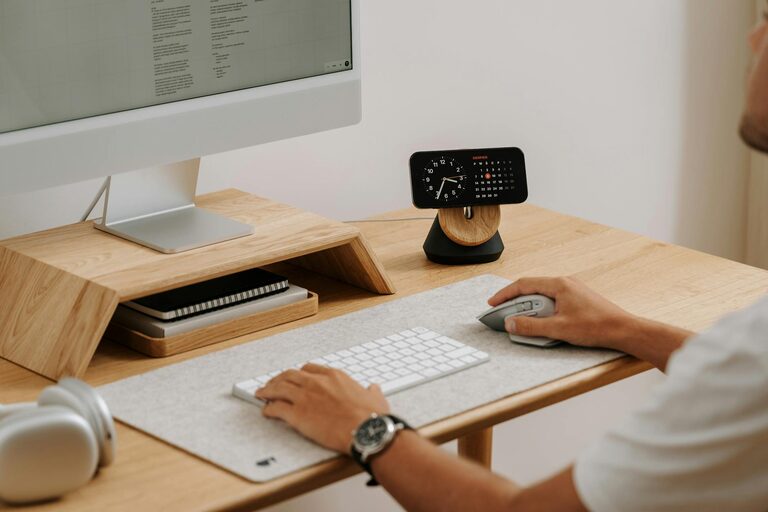
Your desk should allow your arms to rest comfortably while typing or writing, with your feet flat on the floor. A too-tall or too-low desk can cause tension and fatigue.
Declutter and Organize
Keep Essentials Handy
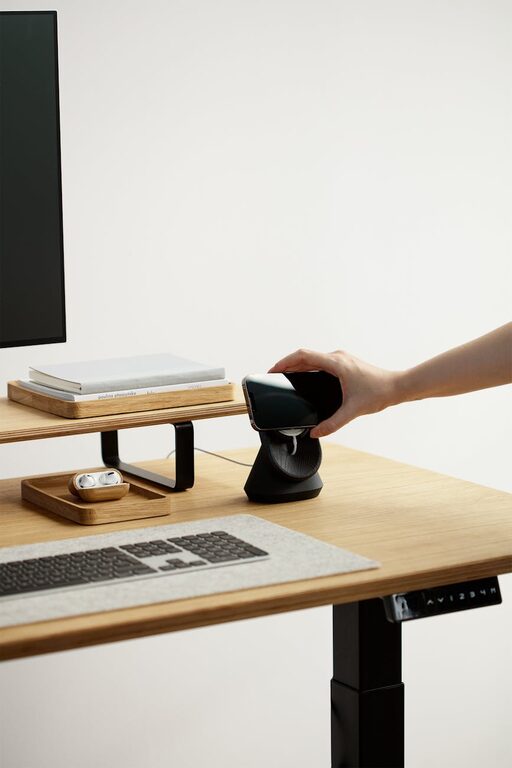
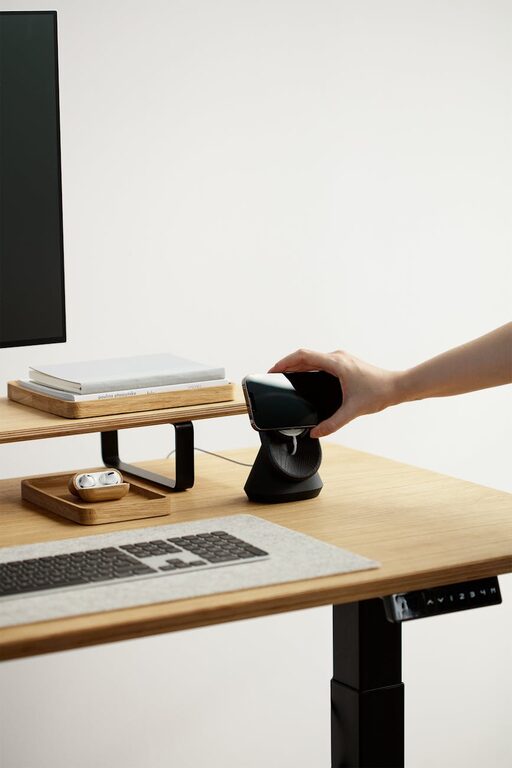
Reduce stress by keeping only the items you need within reach. Store documents, stationery, and electronics in drawers or organizers to avoid a cluttered look.
Use Storage Solutions
Use shelves, baskets, or filing cabinets to keep your workspace tidy. A clutter-free space is easier to relax in and helps your brain focus on the tasks at hand.
Personalize Your Space
Add Greenery
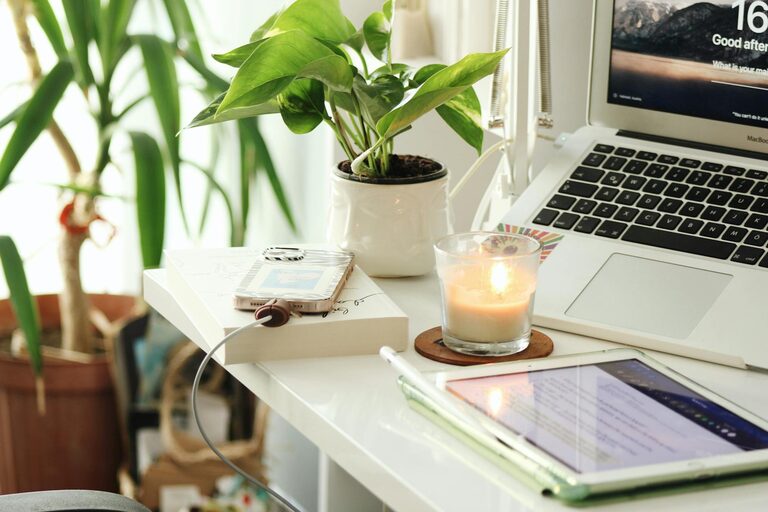
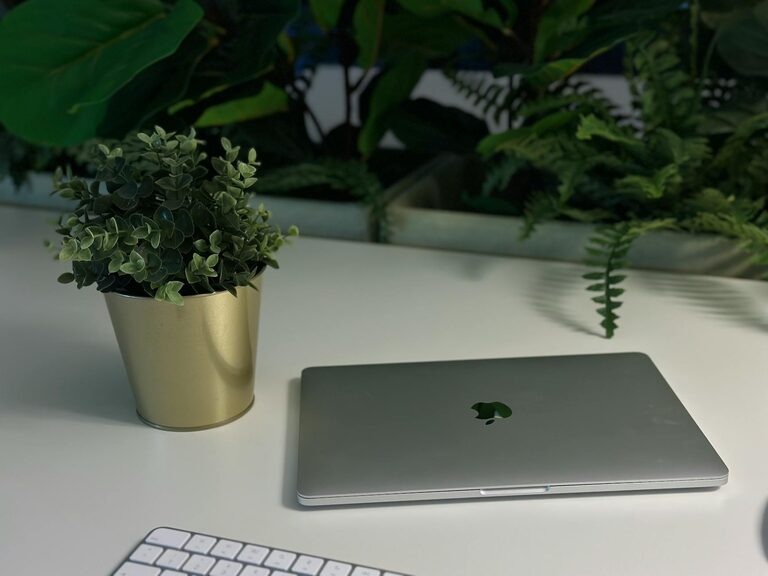
Plants can improve air quality and add a touch of nature to your workspace. Choose low-maintenance plants like succulents or snake plants that don’t require much care.
Incorporate Calming Elements
Decorate with items that help you feel calm and inspired. This could be artwork, photos, candles, or a small water fountain. Keep it simple to avoid visual overload.
Manage Technology Wisely
Minimize Screen Glare
Adjust your monitor’s brightness and position to avoid eye strain. Blue light filters or glasses can also help if you spend long hours in front of screens.
Use Noise-Canceling Options
If your environment is noisy, consider noise-canceling headphones or play soft instrumental music to block distractions and maintain focus.
Establish a Routine and Boundaries
Set Work Hours
Define clear starting and ending times for your workday. This helps create a mental separation between work and personal life, reducing burnout.
Take Regular Breaks
Step away from your workspace every hour or so to stretch, hydrate, or simply relax. Short breaks boost productivity and prevent fatigue.
Keep Air Fresh and Temperature Comfortable
Good ventilation and a comfortable temperature contribute greatly to comfort and productivity. Open windows when you can or use fans and heaters as needed to maintain a pleasant environment.
Add Inspiring and Motivational Touches
Having a vision board, motivational quotes, or a planner visible in your workspace can remind you of your goals and keep you focused.
—
By combining these tips, you can create a home workspace that’s both calming and conducive to productivity. Remember that your space is personal — tailor it to what makes you feel relaxed and motivated. Small changes can lead to big improvements in focus and work satisfaction. Try out these ideas and see how they transform your daily work experience at home.
About the Author