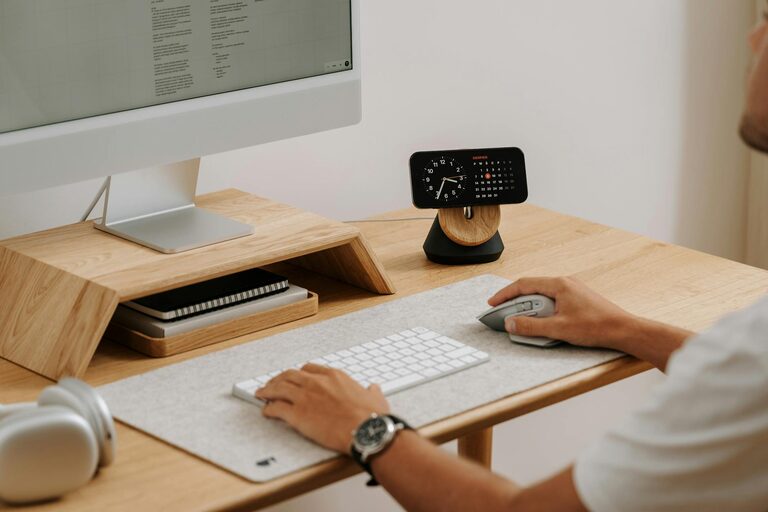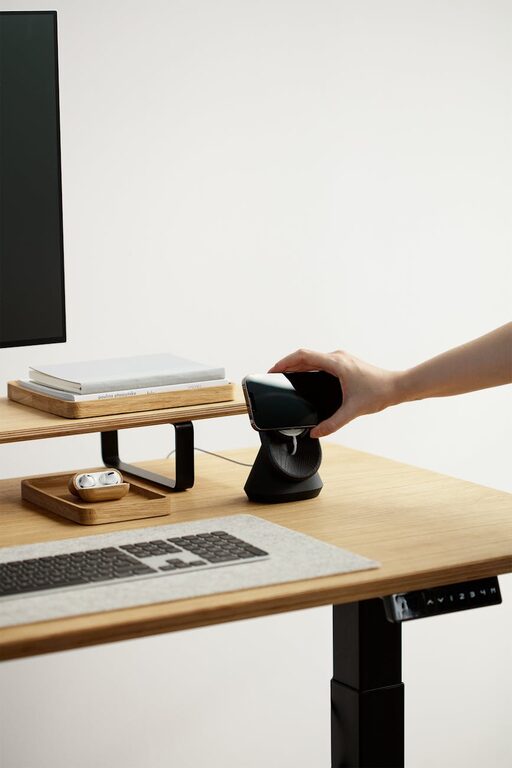

Creating a cozy and inviting home office is essential for anyone working from home or managing tasks remotely. A comfortable workspace can improve focus, productivity, and overall well-being. Whether you have a dedicated room or a small corner, with some thoughtful touches, you can turn your space into a calming and functional area. Here are practical tips to help you get started.
Choose the Right Location
Finding the best spot for your home office is the first step. Ideally, select a quiet area with minimal distractions. This could be a spare room, part of a bedroom, or even a nook near a window.
Consider Natural Light
Natural light can have a big impact on your mood and energy levels. Position your desk near a window if possible to take advantage of daylight. If natural light is limited, invest in good-quality artificial lighting.
Invest in Comfortable Furniture
Your furniture greatly affects your comfort during work hours.
Ergonomic Chair
Choose a chair that supports your back and promotes good posture. An ergonomic chair reduces strain and helps maintain focus.
Functional Desk
Select a desk with enough surface area for your computer, notebook, and other essentials. Adjustable desks can provide flexibility between sitting and standing.
Personalize Your Space
Adding personal touches helps make your office feel welcoming.
Decor and Colors
Use calming colors like soft blues, greens, or neutrals to create a relaxing environment. Decorate with artwork, plants, or inspirational quotes that motivate you.
Plants
Indoor plants not only brighten the space but also improve air quality and reduce stress.
Organize Efficiently
Keeping your office organized helps reduce clutter and distractions.
Storage Solutions
Use shelves, drawers, or baskets to store supplies and paperwork. Labeling containers can make it easier to find what you need.
Cable Management
Tidy up cords and cables with clips or sleeves to maintain a neat workspace.
Optimize Lighting
Besides natural light, you’ll need adequate lighting for darker hours.
Task Lighting
Desk lamps with adjustable brightness are perfect for focused tasks like reading or writing.
Ambient Lighting
Soft overhead lighting adds warmth and prevents harsh shadows.
Manage Noise Levels
If background noise is an issue, consider solutions to create a quieter environment.
Noise-Canceling Headphones
These can help block distractions, especially in busy households.
Soundproofing
Adding rugs, curtains, or acoustic panels can absorb sound and improve concentration.
Incorporate Comfort Items
Small comfort items can make your workday more enjoyable.
Cozy Textiles
Throw blankets or cushions add softness to chairs or seating areas.
Temperature Control
Keep a small fan or heater nearby to adjust the temperature as needed.
Maintain Good Air Quality
Fresh air contributes to alertness and health.
Ventilation
Open windows when possible or use an air purifier to keep the air clean.
Establish Boundaries
Create clear boundaries between work and home life to maintain balance.
Defined Work Hours
Stick to regular working hours and avoid working from bed or couch.
Separate Work Zone
Physically separating your workspace helps maintain mental focus.
—
Designing a cozy and inviting home office doesn’t require a complete overhaul. By focusing on comfort, organization, and personalization, you can create a space that supports your productivity and well-being. Remember, your office should be a place where you feel motivated and relaxed — a true reflection of your style and work habits. Happy decorating!
About the Author